Journey Through Rock Bottom: The Boy of Fortune by Author Sriram K A — A Gritty, Philosophical Coming-of-Age Story
 BMRD
BMRD
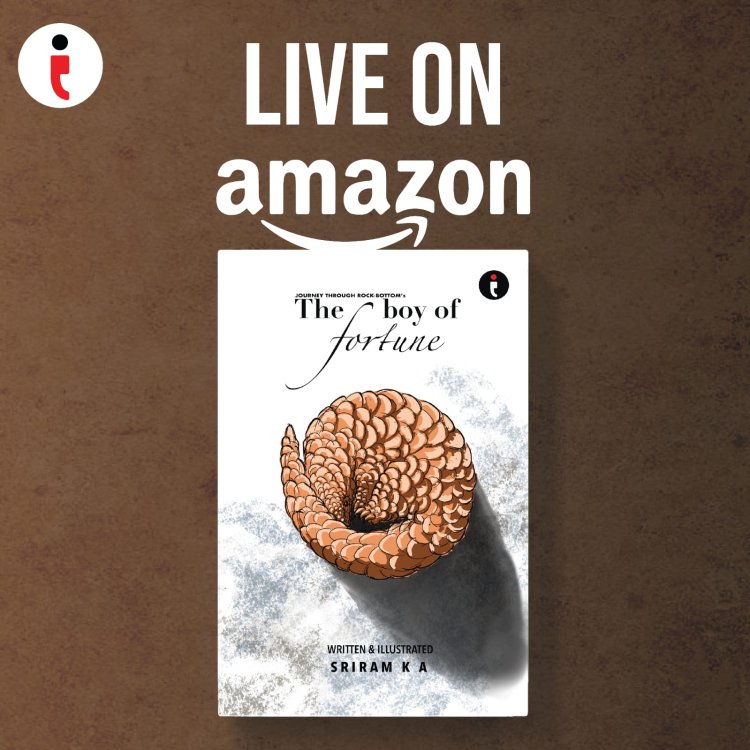
Journey Through Rock Bottom: The Boy of Fortune is a powerful and emotionally charged short comic that explores the origins of one of the central characters from the larger Journey Through Rock Bottom series.
The story follows a young boy who is thrust into an unfamiliar town where he is misunderstood, isolated, and forced to survive on his own. As he navigates harsh realities, his instincts sharpen, and his personality takes a darker, more unpredictable turn. What begins as a struggle for survival gradually transforms him into someone shaped by circumstance and inner conflict.
When a poor stranger unexpectedly enters his life, their encounter spirals into chaos, leading both into a dangerous and uncertain situation. This gripping narrative offers a raw glimpse into survival, morality, and destiny—setting the stage for the larger story that unfolds in the main series.
Blending emotional depth with intensity and philosophical undertones, this short comic is perfect for readers who enjoy indie graphic novels, coming-of-age tales, and stories with a darker edge.
1. What inspired you to write this particular book, and how did the idea for the story come to you?
The inspiration came from the movie The Gods Must Be Crazy. I wanted to write a philosophical story involving two characters who differ in age, gender, race, language, mindset, and even continent. This book, Journey Through Rock Bottom: The Boy of Fortune, focuses on one of those characters—his belief system and what motivates him to do what he does.
My idea was to create a scene where two characters who know they are doomed have a conversation without knowing each other’s language, yet still understand each other’s philosophy. That single scene inspired everything else, and the rest of the story explains how they ended up in that situation.
2. Can you share some insights into your writing process? Do you follow a specific routine or have any unique rituals that help you get into the creative flow?
My process begins with writing detailed notes about the characters and answering unusual, almost random questions about them. These questions don’t directly move the plot forward, but they shape the characters’ behavior and philosophy. That makes writing feel enjoyable rather than like work—because once something feels like work, it becomes easier to avoid.
Once I place the characters in different situations and explore how I want them to react, I often get surprised by the outcomes of their actions. From there, I start writing scenes that feel natural and unique to those characters.
3. The characters in your book are quite distinct and memorable. Are they based on real people, or did they evolve purely from your imagination?
They come primarily from my imagination, though they are inspired by people I’ve observed. I don’t base any character directly on a real person.
If they feel memorable, it’s because their actions and choices reflect what you or I might do in similar situations. That relatability is what makes them feel real.
4. Your book delves into deeper themes. What motivated you to explore these, and what message do you hope readers take away?
I enjoy it when philosophy and life lessons are expressed in an unexpected and light-hearted way. Many story-driven and comedic films do this well, and I wanted to create something similar in my own style.
The message of this story is not to give up, but also to be accountable for your actions. I hope readers understand this through the journey of the characters as the story continues in future parts.
5. The world-building in your novel is rich and immersive. How did you create the setting?
I referred to documentaries and news articles about Africa. They helped me build a mental picture of the environments and social elements that influence both the story and the characters’ actions. That forms the foundation of my world-building process.
6. How do you balance originality with genre expectations?
When I write a scene that makes me feel, “This is something I’d pay to watch,” I share it with friends and ask for feedback. From that feedback, I look for three things:
Does it move the story forward?
Does it blend naturally with the rest of the story?
Is it engaging and not too predictable?
If it feels original and fits only this story—not just any story—then I treat it as a final draft.
7. The pacing of the story keeps readers engaged. What’s your approach?
I believe anything that doesn’t alienate the reader will keep them engaged. I try to set expectations clearly so that even unexpected twists feel acceptable and earned.
I also focus on varying the pace—adding emotional highs and lows—so readers have time to pause, connect with what’s happened, and then continue with the story.
8. How do you see storytelling evolving in today’s fast-changing media landscape?
No matter the format, as long as a story is good and engaging, it will connect with its audience. Storytelling has always evolved toward smoother and more immersive experiences.
Today’s generation is more empathetic and sensitive to emotional and mental journeys. Stories that explore inner struggles are encouraged, and I see that as a positive direction. It allows me to tell deeper, more personal stories without being preachy.
Dive into a gripping tale of survival, transformation, and destiny.
Step into a raw and gripping story of survival, transformation, and fate.
Buy now on Amazon and begin a journey you won’t forget.