Gaslighting at Work: The Silent Killer of Retention and Mental Well-being Dr. Shilpa Shinde, Associate Professor
 Durvesh Yadavv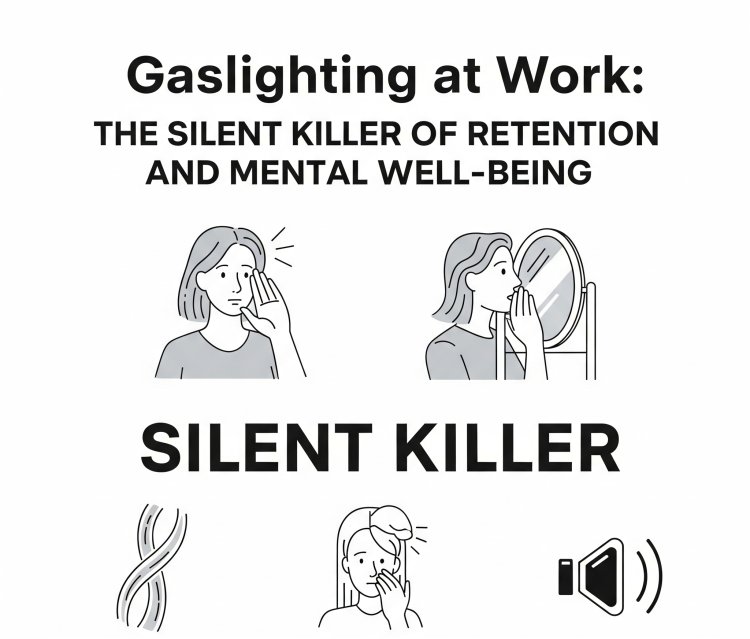
In today’s fast-evolving workplaces, conversations around diversity, inclusion, and employee well-being are gaining much-needed attention. Yet, amid these progressive discussions, one deeply harmful practice often remains hidden in plain sight: gaslighting. This psychological manipulation, where an individual is made to doubt their own memory, perception, or sanity, is more than just a personal issueit’s a silent workplace crisis. When left unaddressed, gaslighting can break down not just the confidence of individuals, but also the trust, morale, and mental health of entire teams, leading to high attrition and long-term reputational damage to organizations.
Workplace gaslighting doesn’t always look obvious. It’s often subtle a manager who insists a report wasn’t submitted when it was, a colleague who dismisses legitimate concerns as overreactions, or a leader who regularly shifts blame to avoid accountability. These actions may seem minor, but over time, they erode an employee’s self-belief and emotional stability. The victim begins to question their competence, experiences constant self-doubt, and often internalizes blame. This mental stress doesn’t just stay at workit follows them home, impacting their overall well-being and relationships outside the office.
While many organizations spend heavily on hiring, engagement programs, and leadership development, they often fail to address the root causes of why good employees leave. Gaslighting is one of those causes. People don’t just quit companiesthey quit toxic environments. According to study in India, nearly 46% of professionals reported experiencing emotional manipulation or gaslighting at work, yet very few had access to psychological safety protocols or redressal systems. The most affected are often women, entry-level professionals, neurodivergent individuals, and members of marginalized communities. Their voices are frequently ignored or invalidated, making recovery even harder.
This issue goes beyond HR or individual managers itreflects broader societal power structures. In India, where work cultures often mirror social hierarchies, gaslighting can become institutionalized. When someone speaks up against unethical practices and is told they’re “Misinterpreting the culture,” it becomes a defence mechanism for those in power, and a punishment for those who question it. Such a culture not only affects individual employees but also weakens teams, stifles innovation, and limits a nation’s productivity. With rising cases of mental health-related absenteeism, especially in the post-COVID era, ignoring gaslighting is no longer viable ethically or economically.
But this problem is not without solutions. The first step is acknowledgment. Organizations must actively create safe spaces where employees can express concerns without fear of dismissal or retaliation. Regular psychological audits, anonymous surveys, and open forums for discussion can uncover hidden patterns of emotional abuse. Training managers to recognize and respond to gaslighting is equally critical. Leadership must be held accountable not just for financial metrics, but for the emotional climate they create. Mental health support should go beyond offering therapy sessions it should be integrated into the way teams’ function, the way feedback is given, and the way performance is evaluated.
Policies must evolve too. Many existing grievance mechanisms do not consider emotional harm or psychological abuse as legitimate grounds for complaint. This must change. Emotional well-being is a basic human right, and any workplace that ignores it cannot call itself truly progressive. Creating channels where gaslighting can be reported, investigated, and addressed fairly while protecting confidentiality is essential. Just as policies evolved to address sexual harassment through years of advocacy, emotional safety must now follow a similar path.
More than anything, what’s needed is cultural change one that encourages allyship and empowers bystanders to speak up when they see manipulation at play. Silence protects the manipulator. But when one voice stands up, it often gives others the courage to follow. This is especially important in Indian workplaces, where deference to authority can sometimes mask abusive dynamics. Change begins with leadership, but it must be carried forward by every employee who believes in dignity at work.
This isn’t just a professional issue it’s a societal one. What kind of workplaces are we building if employees are too afraid to speak the truth? What kind of leadership are we promoting if success depends on silencing others? If we claim to value innovation, resilience, and growth, we must recognize that none of these thrive in fear-based cultures. Gaslighting is a theft not of tangible resources, but of human potential. And in a country striving to become a global leader, we simply cannot afford to let that potential go to waste.
As citizens, professionals, and leaders, we must now reflect: are we truly creating workplaces where people feel seen and safe? Are we willing to challenge the invisible forces that damage minds and dismantle careers? These are not just questions for boardrooms, but for public discourse, policy-making, and everyday decisions. Because when we confront gaslighting, we’re not just protecting employees we’re protecting the future of work itself. Let this be the beginning of an informed, urgent, and collective journey one that replaces fear with trust, silence with support, and manipulation with humanity.